-
Cool Cat Teacher Blog: Leverage your iPad and iPhone Screens to Spark Success #mlearning #ipadchat
#education Leverage your iPad and iPhone Screens to Spark Success #mlearning #ipadchat http://t.co/8qHeBan3
-
ProfHacker - The Chronicle of Higher Education
Websites are continually eliminating RSS - one of the most useful technologies ever invented. Here Profhacker tells us how to get them.
Wednesday, October 19, 2011
Daily Education and Technology News for Schools 10/19/2011
Meanderings on the Massive Change Among Us
On Google Plus tonight, I asked a question:
I was quite shocked at how quickly I've got over 2000 followers over there and comparing how long it took me to get there on Twitter. I think perhaps it is because Twitter was built from scratch but Google+ was built on the back of existing networks through Google Docs, email, etc. Certainly Google is to be commended for their growth.
But there was a fascinating comment in the thread that had me thinking:
Web 3 is here
A Flash in the Pan?
I heard Leo LaPorte say that Windows 8 didn't excite him because no one wants to "lean forward to touch their computer" but if you look at my computer lab, you'll see a totally different form factor. We've mounted the computers and they swing forward and back and my students love the screens and computers. They love it because it is a form factor conducive to touch. No one really gets touch except for the iPad.
The Changing Shape of Information
Some sort of sick, happy, sweet, sour brew is the techno-water and no one knows where this is all heading. We know that critical mass calling for change in US education is happening and Common Core is making inroads. People are publishing their own books and "the cloud" is actually a term that most people understand.
 Meanwhile a 19 year old in Korea creates an image that goes viral in tribute to the passing of Steve Jobs.
A massive blogging platform named Tumblr (see my blog there at www.vickidavis.me) is growing has more pageviews than Word Press and it feels like no one is really talking about them.
Zynga (the maker of Farmville) has 1700 employees and was paid an amount in the millions to stay at Facebook for another 5 years (3 1/2 left on that contract?) because so much traffic to Facebook is through games like Farmville and Gangster wars.
Facebook now lets your personalpage really sort of function like a Fanpage and overhauled their privacy settings without a really open call to their users to check those settings. Facial recognition is getting better and soon your friends won't even have to tag you to see what you did last weekend.
Whether we read our books on the iPad or Kindle fire -- the Kindle app and Amazon store are a force to reckon with in the ebook industry. A judge asks Samsung lawyers to identify which was an iPad and a Galaxy tab from 10 feet away and as the lawyers stumble, ruled that Samsung did indeed infringe on Apple's patent.
Ignore the Hype, Listen to the People We are in the midst of fundamental, massive CHANGE. The kind that makes new companies and gets rid of old ones. I tend to ignore the hype about new sites. Truly a lot of that hype is from marketing departments. But at the center of all of this change are people.
In some ways it could read like a Dr. Suess book: large people, small people, people over here, people over there, short fuzzy people, and tall skinny bald people -- our recommendations to each other.Our tweets,status updates, and the success of companies is becoming increasingly influenced by their ability to influence the mavens among us to try, like, and use their products

 |
| Companies battle to be where we connect. |
It is fascinating to see how fast Google+ has grown and yet I still wonder if it is meaningful. Are you using Google+ content? How often do you Google+? Do you use this and Twitter? I'd like to hear from those using it consistently so I can understand (and perhaps blog about it.) If you reply, make sure it is OK for me to quote you. Thank you.
I was quite shocked at how quickly I've got over 2000 followers over there and comparing how long it took me to get there on Twitter. I think perhaps it is because Twitter was built from scratch but Google+ was built on the back of existing networks through Google Docs, email, etc. Certainly Google is to be commended for their growth.
But there was a fascinating comment in the thread that had me thinking:
Kristofer Gigante says "I never used FB or Twitter so because of that, I only check G+ and I check it multiple times a day. I subscribe to lots of blogs (including yours) through RSS and read it in Google Reader. If the bloggers I follow on Reader post more on +, I will probably just use + and discontinue RSS. I have Android phone and tablet and our school is very pro Google, so it is easier to use Google products."
I'm combining this with the fact that 10 of my students this week have come up to me and told me that they are now on Twitter. Also, my students that I took onto Twitter in the very first year it was live have come back and told me they are using their accounts again ("All my friends are shocked at how long I've been using it, Mrs. Vicki," one exclaimed to me as I ran in to her on college break.)
But the students who have moved to Twitter mostly said they were making the move because of their iPads and iPod touches and that it is so easy to share with the new update.
Droids+ and iTweets?
Are we going to have dual conversations cropping up? Are Droid users going to gravitate to Google+ and Apple gravitate to Twitter? What does this mean for the conversations that will happen?
Our networks are very personal and we all seem to be gravitating to websites for different things. Several like how Google+ is aggregating hashtags so using them is definitely part of our future in some way. An open source microblogging platform, Statusnet, has cropped up as something some companies are installing and you can see the hashtag as a way that they are aggregating data using this as well.
Web 3 is here
I keep wondering as my students and I talk about Web 1.0 and Web 2.0 if really Web 3.0 isn't the mobile/ personal web that has traveled into our belt buckles, brief cases, and pocketbooks. Perhaps semantic has become intertwined in the change (aka Apple's Siri service embedded into the iPhone 4S) but truly, the growth is going to happen in such platforms.
A Flash in the Pan?
You have Adobe still firmly in bed with Google via Droid because those it supports Flash but they are still moving their photo software onto iPad and iPhone just because they have to. Film editing is on the camera and the most popular cameras are our cell phones.
Meanwhile, Microsoft has followed Apple's move nixing Flash and its own Silverlight plug in stating that IE 10 will use HTML5 and NOT allow plug ins. You have Skype officially bought by Microsoft and now removing the Google Toolbar from their service. Google is struggling to update their Droid operating system that has people frustrated with the touch experience on Droid Tablets. Microsoft is pushing a head like crazy to get Windows 8 touch enabled OS on every device possible.
Meanwhile, Microsoft has followed Apple's move nixing Flash and its own Silverlight plug in stating that IE 10 will use HTML5 and NOT allow plug ins. You have Skype officially bought by Microsoft and now removing the Google Toolbar from their service. Google is struggling to update their Droid operating system that has people frustrated with the touch experience on Droid Tablets. Microsoft is pushing a head like crazy to get Windows 8 touch enabled OS on every device possible.
 |
| My computer lab of wall-mounted Lenovo m90z touch screens. |
The truth is we don't know what our form factors or uses are going to look like. I do know in 5 years we'll all be wondering how we lived without our personal assistants. I also know that location based notifications have changed my life. We do know we'll be living in a dramatically different environment.
People care about whether their washers and dryers are wired into the network and cable companies and websites are now in direct competition as subscribers just get what they want a la carte.
Hulu's offer to be sold has suddenly been retracted as the owners see the value of their service (as if they didn't before.)
Hulu's offer to be sold has suddenly been retracted as the owners see the value of their service (as if they didn't before.)
The Changing Shape of Information
Some sort of sick, happy, sweet, sour brew is the techno-water and no one knows where this is all heading. We know that critical mass calling for change in US education is happening and Common Core is making inroads. People are publishing their own books and "the cloud" is actually a term that most people understand.
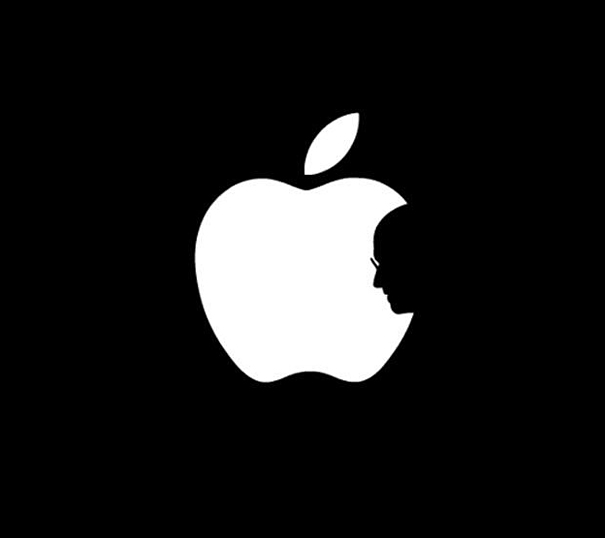
A massive blogging platform named Tumblr (see my blog there at www.vickidavis.me) is growing has more pageviews than Word Press and it feels like no one is really talking about them.
Zynga (the maker of Farmville) has 1700 employees and was paid an amount in the millions to stay at Facebook for another 5 years (3 1/2 left on that contract?) because so much traffic to Facebook is through games like Farmville and Gangster wars.
Facebook now lets your personalpage really sort of function like a Fanpage and overhauled their privacy settings without a really open call to their users to check those settings. Facial recognition is getting better and soon your friends won't even have to tag you to see what you did last weekend.
Whether we read our books on the iPad or Kindle fire -- the Kindle app and Amazon store are a force to reckon with in the ebook industry. A judge asks Samsung lawyers to identify which was an iPad and a Galaxy tab from 10 feet away and as the lawyers stumble, ruled that Samsung did indeed infringe on Apple's patent.
Ignore the Hype, Listen to the People

In some ways it could read like a Dr. Suess book: large people, small people, people over here, people over there, short fuzzy people, and tall skinny bald people -- our recommendations to each other.Our tweets,status updates, and the success of companies is becoming increasingly influenced by their ability to influence the mavens among us to try, like, and use their products
What we can't ignore is that massive change is happening. To us. To our students. To the families we serve. We can no longer afford to buy the research published by companies themselves and to be naive enough to think that a particular company is the ONLY one who provides that service. We can't be naive enough to think that a company will actually be transparent about the pros and cons of their product. Most of us have people in our Twitter stream with more expertise than the guy who runs the technoshop on the corner who likes to sell the school "stuff" and we will consult those people first.
Your connections determine your knowledge
Perhaps the theme of this post is really more of a meandering stream of thought. It should be obvious to those who know me that the Flat Classroom and Digiteen projects have started because I have a ton of student research running around in my brain. I am increasingly educated by the networks I join and so are you.
But never have I seen so many divergent companies converging and convergent companies diverging. Some major changes are happening. Perhaps Steve Jobs' passing has companies willing to show some chutzpah and do something different because they realize that one of the greatest innovators among us is gone.
Innovative Teachers March on Largely Ignored
Meanwhile, many of us teachers who have been innovating continue to innovate under the radar of those who are calling for change and the 21st century classroom. People like my friend Suzie Nestico who is running Flat Classroom this semester in her social studies classroom and aligning Common Core standards of all kinds on a blog with her students.
Perhaps those advocating for change will one day wake up and see the growing movement of teachers around the world who are connecting and transcending. We're changing too.
The massive change you see in the technology field and publishing field and mobile computing field is coming to education. It tore through the music and entertainment industry and it is heading into the information sector. Best position yourself to keep your finger on the pulse of change. Building a good PLN has probably never been more important.
Stay informed and thrive
Glad to be sort of back after a week and a half taking care of the 4 of the 5 people in my family who came down with a horrible stomach bug. Everyone had it but me.
I guess the immunity from my travels and all the shots I've had kept me from getting sick. There is a lesson for this for all of us. To stay healthy we should travel the world in our mind and stay abreast of change.
Change is done by you or to you and there is nothing for certain right now except that things will be changing dramatically over the next five years. Build that PLN, and hold on. It is going to be exciting.
(I'm sitting here thinking about students wanting to tell Siri to put reminders for tests on their iPhone and being told to shush. In five years we'll be talking about how to get them to bring cell phones to school. Oh, the times, they are a changing. Some will groan and some of us will love it. As for me, I'm pumped. )
Your connections determine your knowledge
Perhaps the theme of this post is really more of a meandering stream of thought. It should be obvious to those who know me that the Flat Classroom and Digiteen projects have started because I have a ton of student research running around in my brain. I am increasingly educated by the networks I join and so are you.
But never have I seen so many divergent companies converging and convergent companies diverging. Some major changes are happening. Perhaps Steve Jobs' passing has companies willing to show some chutzpah and do something different because they realize that one of the greatest innovators among us is gone.
Innovative Teachers March on Largely Ignored
Meanwhile, many of us teachers who have been innovating continue to innovate under the radar of those who are calling for change and the 21st century classroom. People like my friend Suzie Nestico who is running Flat Classroom this semester in her social studies classroom and aligning Common Core standards of all kinds on a blog with her students.
Perhaps those advocating for change will one day wake up and see the growing movement of teachers around the world who are connecting and transcending. We're changing too.
The massive change you see in the technology field and publishing field and mobile computing field is coming to education. It tore through the music and entertainment industry and it is heading into the information sector. Best position yourself to keep your finger on the pulse of change. Building a good PLN has probably never been more important.
Stay informed and thrive
Glad to be sort of back after a week and a half taking care of the 4 of the 5 people in my family who came down with a horrible stomach bug. Everyone had it but me.
I guess the immunity from my travels and all the shots I've had kept me from getting sick. There is a lesson for this for all of us. To stay healthy we should travel the world in our mind and stay abreast of change.
Change is done by you or to you and there is nothing for certain right now except that things will be changing dramatically over the next five years. Build that PLN, and hold on. It is going to be exciting.
(I'm sitting here thinking about students wanting to tell Siri to put reminders for tests on their iPhone and being told to shush. In five years we'll be talking about how to get them to bring cell phones to school. Oh, the times, they are a changing. Some will groan and some of us will love it. As for me, I'm pumped. )
Tuesday, October 18, 2011
Leverage your iPad and iPhone Screens to Spark Success #mlearning #ipadchat
I love to see how others have their iPads laid out. I actually have my iPhone and iPad with prominent apps in the same places so I never have to hunt. Here are my screens and notes about current rationale for how I organize things. Even if you have a Droid or something else, the apps and the concepts may help you as you decide how you're going to organize things.
Your 5 Important Electronic Desktop Decisions
Having an organized, productive workspace is important. You have 5 very important electronic desktop decisions that can have a big impact on your life and your focus:
Home Screen- iPad
I "Pareto" everything. What are the 20% of things that give me 80% of the benefit of my life? These need to be in my face on my home screen shouting to be touched and used. What are the things I hunt for? If it is an icon on my home screen, I use it every day.

Home Screen - iPhone
You'll notice that I left the middle row on my iPad out on my iPhone. I did this because I feel like I look for the icons relative to the edge of the screen. So, I will look for the bottom icons relative to the bottom. Also, my tray at the bottom is different but I like it that way.

Photographer Folder- iPad
I like to name most folders by who I am so I can picture myself as that and am reinforcing my thought patterns to get out of life what I want to be. In life, the journey is the destination. Now that photos are synced via my devices, I use these apps even more to doctor photos taken via iPhone. (I literally took a screenshot on my iphone and in less than a minute, the photos were on my ipad, ready to be uploaded into the first draft of this post on BlogPress.)

Photographer Folder- iPhone

Dashboard Folder- iPad
This folder holds my hottest tools and apps I need to get to. I use these items a lot and want to be reminded of them. If it is in my dashboard on my iPhone it is also here in exactly the same order.

Dashboard - iPhone

My Tools Folder- iPad
The utilities and tools that help. I follow the same rule as I have for dashboard.

My tools -iPhone
iPhone has some things that iPad doesn't and those tools are here.

My Thought Leader Folder (Thought Ldr)
Note: my most important reads are ON the home screen of my iPad but I want a variety of news sources at my fingertips so I can read several sources of info. This is on my second screen on my iPhone because iPad is my electronic paper, typically. This is another example of how I'm trying to program myself to think in a way that I want to be.

My Music Folder - iPad
More interfaces to find new music that have text features here.

My music folder - iPhone

My second Screen- iPad
Here, I want my favorite things in front of me that will lead me to the related folder on the right. I look at this screen pretty often.

Second screen iPhone
These are folders based on who I want to be. Even if I don't go in them, I look and read over the folder names daily because they keep front and center who I want to be. When I feel I am lacking in an area or badges are screaming at me, I go there and work on it as I travel.
There are two folder names you may be curious about so I will explain them. The 65% folder is from a statement made in a great book on personal productivity management called Personal KanBan (Personal Kanban: Mapping Work | Navigating Life .) The authors point out that highways start becoming parking lots at about the 65% full level. When I overbook myself I become unproductive, so the apps there help me manage myself to give myself some leeway. You can't manage time, you can only manage yourself. I do not have to say yes to everything. 65% reminds my goal should be to hit that threshold for my waking hours- although I struggle with doing too much. (If you want me to share what is in these folders, let me know and I'll work on a future post.)
Aire- Money is a struggle for many of us who got sucked into the lies the credit card companies told us in the 80's and 90's. I am sad to say that I fell for those lies and have spent the better part of the last 10 years paying dearly. Losing our life savings in the pecan grove in the flood of 94 and floating flat classroom projects on credit cards hasn't helped but we consistently work to pay down our debt and live below our means. I dream of being an aire one day but will not put limits on it. (I was listening to a Brian Tracy audiobook Million Dollar Habits on the characteristics of millionaires the other day and heard the average millionaire goes broke 3.2 times. I called my husband and said, "Good news, honey, we only have .2 times to go.")
Wishing won't get you your dreams. Find out what those who have what you want do and emulate those behaviors and you will get the same results. Successful and unsuccessful people both hate doing the same things- the difference is that successful people do them anyway. (Another Brian Tracy paraphrase.)

So, my folders are: 65%, Aire, Archivist, Artist, Athlete, Author, Chef, Christian, Connectivist, IPhone, Maestro, Minimalist, Newshound, R&R, Thought Ldr, Traveler
Third screen -iPad
My school app dashboard and other items that were on 2nd screen of iPhone in those folders.

Fourth screen - iPad
My son's study screen. This is where I keep the apps my 4th grader needs to do homework and study. We consistently do the first three games every day.

Hope this gives you ideas but I also want to see your screens. Please share your productivity strategies. Hashtag: #mlearning or #ipadchat
Posted using BlogPress from my iPad
Your 5 Important Electronic Desktop Decisions
Having an organized, productive workspace is important. You have 5 very important electronic desktop decisions that can have a big impact on your life and your focus:
- Your computer desktop
- Your browser start screen and toolbars (I use firefox browser sync and a custom igoogle page.)
- Your mobile phone start screen
- Your tablet device start screen
- Your media diet (thanks Mark Hurst - author of Bit Literacy: Productivity in the Age of Information and E-mail Overload
for this one.) Your media diet is what media sources will I attend to daily
Home Screen- iPad
I "Pareto" everything. What are the 20% of things that give me 80% of the benefit of my life? These need to be in my face on my home screen shouting to be touched and used. What are the things I hunt for? If it is an icon on my home screen, I use it every day.
Home Screen - iPhone
You'll notice that I left the middle row on my iPad out on my iPhone. I did this because I feel like I look for the icons relative to the edge of the screen. So, I will look for the bottom icons relative to the bottom. Also, my tray at the bottom is different but I like it that way.
Photographer Folder- iPad
I like to name most folders by who I am so I can picture myself as that and am reinforcing my thought patterns to get out of life what I want to be. In life, the journey is the destination. Now that photos are synced via my devices, I use these apps even more to doctor photos taken via iPhone. (I literally took a screenshot on my iphone and in less than a minute, the photos were on my ipad, ready to be uploaded into the first draft of this post on BlogPress.)
Photographer Folder- iPhone
Dashboard Folder- iPad
This folder holds my hottest tools and apps I need to get to. I use these items a lot and want to be reminded of them. If it is in my dashboard on my iPhone it is also here in exactly the same order.
Dashboard - iPhone
My Tools Folder- iPad
The utilities and tools that help. I follow the same rule as I have for dashboard.
My tools -iPhone
iPhone has some things that iPad doesn't and those tools are here.
My Thought Leader Folder (Thought Ldr)
Note: my most important reads are ON the home screen of my iPad but I want a variety of news sources at my fingertips so I can read several sources of info. This is on my second screen on my iPhone because iPad is my electronic paper, typically. This is another example of how I'm trying to program myself to think in a way that I want to be.
My Music Folder - iPad
More interfaces to find new music that have text features here.
My music folder - iPhone
My second Screen- iPad
Here, I want my favorite things in front of me that will lead me to the related folder on the right. I look at this screen pretty often.
Second screen iPhone
These are folders based on who I want to be. Even if I don't go in them, I look and read over the folder names daily because they keep front and center who I want to be. When I feel I am lacking in an area or badges are screaming at me, I go there and work on it as I travel.
There are two folder names you may be curious about so I will explain them. The 65% folder is from a statement made in a great book on personal productivity management called Personal KanBan (Personal Kanban: Mapping Work | Navigating Life
.) The authors point out that highways start becoming parking lots at about the 65% full level. When I overbook myself I become unproductive, so the apps there help me manage myself to give myself some leeway. You can't manage time, you can only manage yourself. I do not have to say yes to everything. 65% reminds my goal should be to hit that threshold for my waking hours- although I struggle with doing too much. (If you want me to share what is in these folders, let me know and I'll work on a future post.)Aire- Money is a struggle for many of us who got sucked into the lies the credit card companies told us in the 80's and 90's. I am sad to say that I fell for those lies and have spent the better part of the last 10 years paying dearly. Losing our life savings in the pecan grove in the flood of 94 and floating flat classroom projects on credit cards hasn't helped but we consistently work to pay down our debt and live below our means. I dream of being an aire one day but will not put limits on it. (I was listening to a Brian Tracy audiobook Million Dollar Habits on the characteristics of millionaires the other day and heard the average millionaire goes broke 3.2 times. I called my husband and said, "Good news, honey, we only have .2 times to go.")
Wishing won't get you your dreams. Find out what those who have what you want do and emulate those behaviors and you will get the same results. Successful and unsuccessful people both hate doing the same things- the difference is that successful people do them anyway. (Another Brian Tracy paraphrase.)
So, my folders are: 65%, Aire, Archivist, Artist, Athlete, Author, Chef, Christian, Connectivist, IPhone, Maestro, Minimalist, Newshound, R&R, Thought Ldr, Traveler
Third screen -iPad
My school app dashboard and other items that were on 2nd screen of iPhone in those folders.
Fourth screen - iPad
My son's study screen. This is where I keep the apps my 4th grader needs to do homework and study. We consistently do the first three games every day.
Hope this gives you ideas but I also want to see your screens. Please share your productivity strategies. Hashtag: #mlearning or #ipadchat
Posted using BlogPress from my iPad
Monday, October 17, 2011
Daily Education and Technology News for Schools 10/17/2011
-
This app lets you control cad and 3d environments like Google Sketchup. Really, the Ipad is now an interface with your regular computer and it is only beginning. The Maide video is definitely worth a watch and if you do anything with 3D design or CAD, this is worth a look.
-
Bjork releases an album along with 3D images in an app for the ipad. This is how artists and music are evolving. It is the first of its kind. Interesting. I'm sending this to our Flat Classroom students as they study how technology is impacting arts, entertainment, and leisure. This would make a fascinating video.
Education's 3200 Error
Sickness is everywhere. In my house. In our schools.
 Sitting here at 6:42 am in the morning, I am in my comfy chair for a brief moment at the start of my day about to head a school after another night with a sick child. The worst has past and she should sleep comfortably through the day with her bottle of Gatorade nearby. I know because she is the fourth of the five of us to have this same virus. (I'm the only one left standing but as the nurse, I have to admit I'm completely worn out.)
Last Wednesday afternoon my iphone got sick. It would not update to iOS5. I was getting Error 3200 (like many other hundreds of thousands of people, it seems.) I got on Twitter and eventually got onto some reputable blogs to determine that this error that no one had ever seen before was due to lack of capacity on Apple's servers.
Last Monday and Tuesday, hundreds of thousands of Blackberry Messenger (BBM) customers around the world, primarily non US, could not use their messenger service. This was due, we now know, to a major switch failure where the backup switch did not take over.
Measuring and Placing Blame for Failure
As I was facing my own 3200 error on Wednesday, it struck me that in the US, we have a whole different standard of measurement for businesses versus schools.
When we judged Apple for the 3200 error, everyone knew it was a systemic problem and that somewhere there was a technical reason for the error. We also knew that if Apple was an effective company that they would move heaven and earth to take steps quickly because their core mission was at stake. They would spend what they had to, do what they had to, because an inability to scale up in this way would harm their long term growth. They are positioning themselves for the next ten years, not the last.
When we judged BBM for their error, they took quite a bit longer to fix it, but we still knew there was a systemic error somewhere. Many do think that their inability to find the problem more quickly points at bigger problems within the company.
But in neither of these cases did you hear:
- All of the engineers at Apple are sorry wastes of human flesh who are just drawing a paycheck.
- BBM engineers should all be fired for this.
- All technology companies have bad, sorry, engineers and programmers.
When business fails we blame the system. When education fails we blame the people.
The other struggle is that you can see an Apple or a BMM outage immediately but often it takes a decade to see a failure at a certain grade level. We should be able to "deconstruct" what is happening with the failed classes that are coming out. We have plenty of students and parents (and teachers) to interview. Where did they lose interest? What happened? When did the situation turn for the negative with this class of students? Are we deconstructing today's failure and analyzing what we did 10-13 years a go to cause it? Ships like educational institutions don't turn on a dime.
Find the problem and fix it.
Neither can we say "one thing" has gotten us here. That one thing isn't just teachers that one thing isn't just administrators. Never to shift blame, we must examine ourselves closely for any failure in the system, but let's look at some other things too.

There are a few questions I think we should ask ourselves in every schools. (In my few brief moments I have left in this chair before I go help my fourth grader review his wordly wise words (again) for his big test today.)
- Discipline. One student can disrupt learning for a whole class. Are we so eager to give another chance that we've made teachers impotent? Are the corrective measures we're using actually correcting anything? Does one student have the right to disrupt learning for everyone else? Can't we use video and document what is happening and stop having one persons word against another?
- Classroom environment. Each classroom should be a place where learning can happen. Are their noise interruptions or basic flaws that are preventing learning from happening? When these happen, are the systems in place to promptly fix the problems? (Leaks, loud/broken Air conditioners, etc.) Do administrators and others respect class time and rarely interrupt on the intercom or impromptu assemblies?
- Class size. There is definitely a point where it becomes significantly harder to teach a class. My largest class was 26. We had to be in desks because I only have 21 computers (not counting mine at my desk.) One time I had 22 students and had to let a student use the computer at my desk. I have to say that the 26 and the 22 situations were very tough to manage for me. It took everything I had and I know for a fact that I couldn't cover as much as I did when I had 18 or 12. For me, the point where it becomes a bit more challenging is somewhere around 19 or 20. I don't know why it gets tough at that point but I have a computer lab and it is. I have friends with 30 and even more in a class. I've heard of 40. In South Africa, I saw a teacher who had 150 students. She said, "I couldn't help everyone but I helped the ones I could."
- IT Purchasing policies. Why do we buy what we buy? There is no doubt, corruption in the system. Right now in Alabama, their 2009 move to a glitchy state-wide SIS system without going to bid has raised eyebrows and my inside sources say that it is sparking an investigation. (The Mobile School Board demanded it this summer.) IT is not an afterthought it is as important as the plans for the new school building. We need people who understand the specific needs of education making decisions and the position of IT directors escalated to a level where less temptation for corruption is there. Many IT decisions should really be curricular decisions anyway. We still treat it like a black box in most schools.
- How we look at research. We talk about research based best practices and in some ways it has become the Achilles heel of education. All a company has to do is go out and fund research proving their product improves learning and we'll buy it and cite the research. Are we blind? Are we so eager to believe there is a quick fix that we'll swallow such nonsense? When I dated guys, I knew not to believe half of what they said about themselves on the first date because they were trying to make themselves look good. Salesmen are trying to SELL. If we're sick we get a second opinion. Take a look at the What Works Clearinghouse but know also that sometimes we should test new things and innovate as well. Can we "BETA" test before we go full scale? WE should.
- Do we listen to contrarian voices? Stephen Downes and Gary Stager, God bless 'em, they are often contrarian voices. I read them for that reason. While I don't always agree with how they disagree with people sometimes (everyone deserves respect) I do think that we need to listen to all sides of issues and topics. If you only listen to people just like you when people just like you are wrong, you'll be wrong too. Balanced voices make for good decisionmaking. Contrarians are sometimes right and the general viewpoints are sometimes wrong. Get the facts, listen to both sides and make up your mind.
- Do we educate parents on their role? One thing that could improve learning by next week for every school would be if parents made sure their children got 8-9 hours of sleep a night. That one thing. Read Brain Rules: 12 Principles for Surviving and Thriving at Work, Home, and School
and other research and you'll find that student learning is negatively impacted by lack of sleep.(One study equated the IQ drop of 1 hour less of sleep to that of lead poisoning.) Yet, parents persist on letting their kids sleep with their constantly buzzing cell phone on their pillow denying them the ability to get a good night's sleep. If we know that a child drops two grade levels in their ability to perform in class after losing an hour of sleep, then do we have systemic problems with our education system because of a nationwide inability to put our children to bed at a decent hour and take cell phones out of their hands?
Don't stop there. How about having a place to do homework? Making sure they have their assignments written down and are bringing homework home. If the kid has "no homework" then are they studying anyway. Studying for a test is homework too. To think you can have a good school system without parental involvement is like thinking you can be a healthy athlete without drinking anything. Parents are a higher indicator of success than teachers. - Are teachers free to teach? (I wrote about this in a Washington Post oped this summer.) Who is the customer? How much time are teachers spending filling out paperwork for administrators?
What is a better measure of a good teacher: good paperwork and detailed lesson plans or what is happening in the classroom with the students? What makes a good bureaucrat doesn't make a good teacher and yet we have a system that consistently rewards teachers who are good paper pushers and hurts teachers who aren't. The customer is our students after they've graduated from high school. Will they thank us for what we taught them?
I had a time during my teaching career where I had to do detailed lesson plans and honestly, sometimes I realized that I had finished my plans but wasn't ready to teach. I hadn't made the copies and done the work to really teach. Flat Classroom was invented the year that my interim headmaster (now my curriculum director) said - stop filling out lesson plans and start teaching - keep a general overview of what you cover in your lesson plan book but I'll be in your classroom 3-4 times a week. Then, I really started teaching. I was a good teacher but focusing on teaching and my students is what made me a great teacher and that was when this blog was born too. - Do we look at what is happening in the classroom? Are administrators in your classroom more than once a week? Do they know what is happening there? A poor teacher becomes a bad teacher without supervision. A great teacher loves showing off and feels valued when their administrator comes by. All teachers appreciate this because we have the chance to point out obstacles that administrators can fix. (i.e. that loud A/c unit.) Why do we make teachers fill out paperwork about what they are doing with students, couldn't we have a recorder of some time document what they are ACTUALLY doing? Paperwork is antiquated and unnecessary in a world of digital recorders. Is anyone looking at it anyway?
- Stop looking for quick fixes. Quick fixes don't fix education. If you have a massive failure, you have massive problems. A quick fix is what you do when your child scratches their knee and needs a band aid. Major surgery happens after a horrible car crash. This car has run into the 21st century head on and most in education weren't ready. Certainly, we have some work to do. As I said in Alabama last week - maybe it is time to kill some sacred cows if we can't afford to feed them any more.
"Accountability without Authority is a recipe for disaster"
and that is what we have in education right now.
We have a lot of accountability on the heads of teachers and administrators.
- But do we give them authority?
- Can they change a curriculum that is not working?
- Can they fix things that are broken?
- Can they handle discipline and be backed up?
- Can they appeal to have the schedule changed or class sizes altered?
- Can they get rid of a computer system that is causing problems for everyone?
- Can an administrator who identifies a personnel issue actually have the authority to fire the person who deserves it?
- Can an administrator who is constantly causing classroom problems be reported in a way to reduce the problems or let other administrators know that this person is harming the learning environment.
We've made educators into bureaucrats by this massive move to centralize the education system in America. Bureaucrats are infamously horrible at moving quickly to fix things. BBM and Apple would still be trying to get things fixed today if they had to push paper like many of my public school friends have to do.
I'm quite tired of business people criticizing educators for not running education like "a business." The last 30 years of lawsuits and centralization of education has turned many schools into behemoths where it is very hard to get anything done, even if you are in charge. I can say this because I've worked with public schools for the last 15 years and have many close friends who are administrators.
Let's hold people in education accountable but first, let's give them the authority to do something about the myriad of problems they face.
When you have a system wide problem with low test scores you have systemic problems.
No one can tell me that every teacher in a certain town is a sorry teacher or that every principal is a bad principle. The logic just doesn't add up. We have great teachers and great principals losing their jobs today.
Why Destroy and Start Over Doesn't Make Sense
And to those who say, just destroy it and start over. That would be like me saying that I'm going to solve this stomach virus in my house by killing my children and adopting new ones. Eventually my new children WILL get sick too. Besides, it would be a horrible waste of human life and all of my love for them knows that is a horrific thing to even suggest.
And yet, people ever day call to destroy all the schools and start over. It may solve your problem temporarily but if we keep moving "best practices" that aren't best practices at all to new places then we have problems. My private school friends who say they are having problems say they start when the public school testing environment moves into their walls. It kills learning.
If the chicken is always on the scale being weighed, she's never in the barnyard eating grain.
If we've learned anything in the last ten years is that much of what we've put in place in the last ten years should be called to question. When you have teachers who have thrived for 20-30 years getting out because of the system, its the system.

Sunday, October 16, 2011
Do we really want a lifeline of all our time?

Petrified. Do I really want my entire life online? A friend started posting college pics on Facebook. (this is one of them- can you pick me out? Polka dots!)
If you are filled with dread at the thought: what happens to today's students when they mature and realize what they've done.
Are we making it so no one can change? If I had to go off to college with the stereotypes of high school hanging over my head it would have been horrible. Who gets a fresh start any more? Is it even possible? Will people need to change their names to start over?
Just looking at this photo of friends enjoying our time together and I am glad to see it. But I still wonder about these questions.
Posted using BlogPress from my iPad
Daily Education and Technology News for Schools 10/16/2011
-
U.S. judge feels that Samsung Galaxy Tab 10.1 infringes on Apple patents | PhoneDog
Galaxy tab infringes on Apple's patent, a judge says as she holds up the two devices from 10 feet away and asks Samsung lawyers to identify which is their client's product.
-
RIP, Flash (and Sliverlight, too) | TechPinions
Microsoft leaves Flash and Sliverlight in IE10 - the browser for Windows 8 in lieu of HTML 5. I guess Microsoft is now following Apple's lead.
-
Hellotxt -- Organize your life online...
Interesting service that pulls together all of your networks and posts to them. Just remember that Facebook and some other services make posts from third party services to lower priority and they don't go on as many streams.Interesting service.
-
Open source microblogging platform intended to be an alternative to Twitter. Looks like schools or businesses could install this for internal use. Somefascinating applications.
-
Can a Lack of Sleep Set Back Your Child's Cognitive Abilities? -- New York Magazine
Please tell parents that even losing an hour of sleep will impair their children.
"The performance gap caused by an hour’s difference in sleep was bigger than the normal gap between a fourth-grader and a sixth-grader. Which is another way of saying that a slightly sleepy sixth-grader will perform in class like a mere fourth-grader. “A loss of one hour of sleep is equivalent to [the loss of] two years of cognitive maturation and development,” Sadeh explains."- “Sleep disorders can impair children’s I.Q.’s as much as lead exposure.”
-
-
Suzie Nestico is our project manager for this semester's Flat Classroom project and is doing an incredible job. She is a history teacher and is doing work at her Pennsylvania school to align everything with common core.Here,you can see her transparency with her students about each aspect of the FlatClassroom project, what they are doing, and how those things are aligned with what they need to know. While she very humbly pointed out to me that her blog is just beginning and still a work in process with some things to iron out - it is a great example of how global collaboration, common core, and core courses can go hand in hand.
Subscribe to:
Posts (Atom)
My Blog List


Popular Posts
-
 Home Screen of my Flipboard Flipboard is a phenomenal reading app for the ipad and was the big reason I begged my family to give me one fo...
 -
There seems to be no stopping the success of the iPad, with the iPad 2 selling out in major markets like Europe, America and Australia almo...
-
Have you been looking for an easy way to root your Toshiba Thrive AT100? If your tablet is running on Android 3.2.1 Honeycomb, we have jus...
-
Writing Better Blog Posts: What You NEED to Know | The Edublogger Excellent post from Sue Waters abo...
-
Masterbet88 Grand Opening Promo Bonus 50% Sportsbook dan Casino Online
-
Last week, companies like Nokia and Samsung were able to showcase their new devices at the 2012 (MWC) Mobile World Congress. The four-day e...
-
Samsung is one of the most important companies in the smartphone and mobile business, but the South Korean giant is apparently not happy w...
-
Facial recognition system in iOS 5 Are you impressed by the selection of apps available on iOS devices? Wait ‘till you hear about the iOS 5...
-
The Asus Eee Pad Transformer TF101, with its dual-core 1.0 GHz NVIDIA Tegra 2 processor, is the ultimate tablet on the go. Combined with a...
-
When it comes to AV, bigger numbers are usually better. But can the Sony KDL-46Z4500, the world's first TV with 200Hz processing, really...


